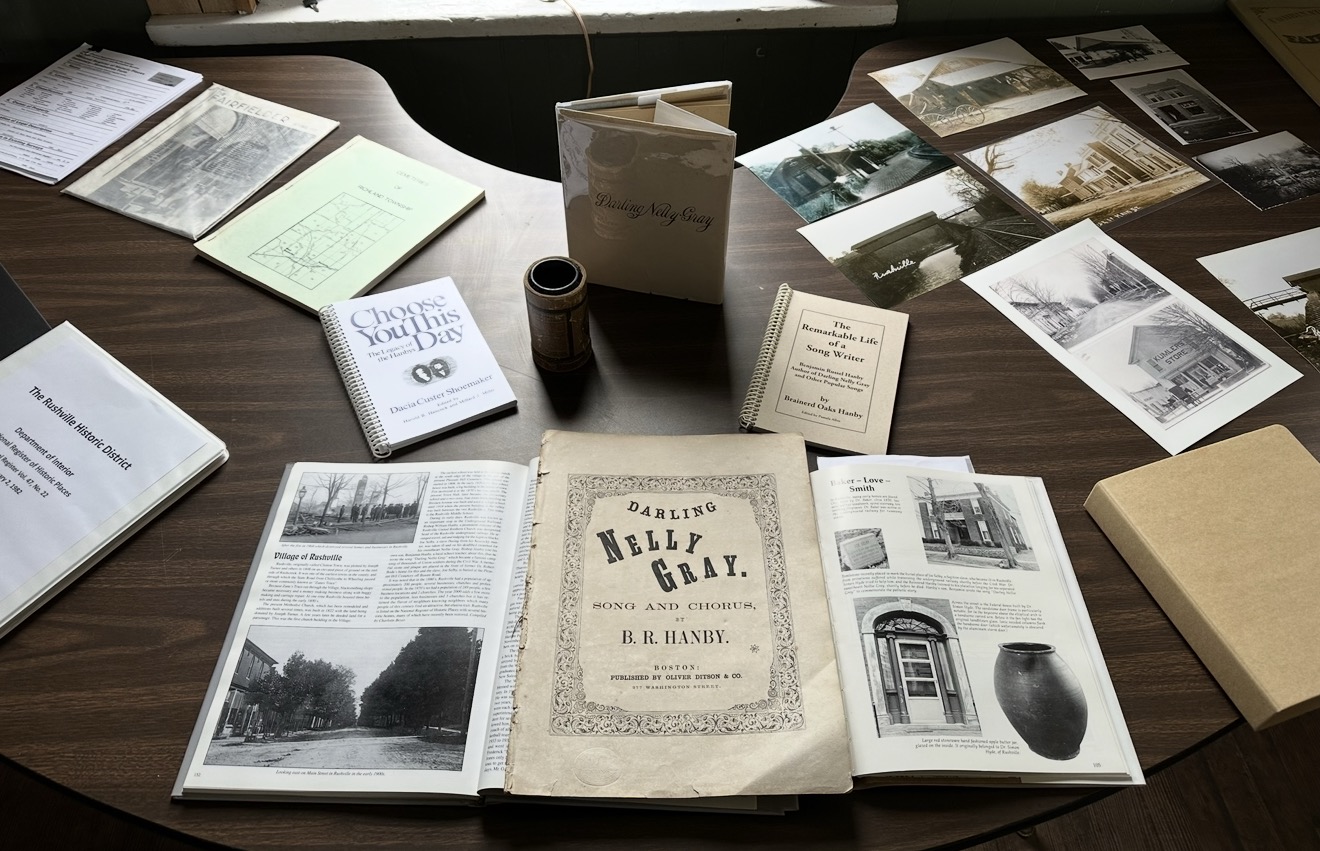
The Underground Railroad in Rushville
Before the Civil War, networks of free Black and white abolitionists, churches, families, and sympathetic neighbors helped freedom seekers travel through Ohio toward places of greater safety. The routes were neither literal railroads nor a single coordinated organization. They depended upon private homes, local knowledge, personal courage, and considerable risk, particularly under the federal Fugitive Slave Act of 1850.
Rushville became part of that wider movement. Local historical accounts identify both William Hanby and Dr. Simon Hyde among residents who assisted freedom seekers. Hyde is remembered for providing medical care as well as shelter. The historic Hyde House remains an important part of the village’s surviving architectural history; a 1964 newspaper account reproduced by the Village of Rushville describes the building’s association with the Underground Railroad.
The streets of Rushville still connect these stories. Surviving houses, printed accounts and local recollections help us trace the people who offered assistance, the people seeking freedom and the risks they faced.
Joseph Selby and the story of Nelly Gray
One of the best-remembered individuals associated with Rushville’s Underground Railroad history is Joseph Selby, who had escaped enslavement in Kentucky. Accounts preserved by local historians and the Westerville History Museum describe Selby as traveling north in the hope of reaching Canada and eventually securing the freedom of the woman he loved, Nelly Gray, from whom he had been forcibly separated.
Selby arrived in Rushville seriously ill and died before completing his journey. Traditions associate his last days with the Hanby family and the medical care of Dr. Simon Hyde. He is commemorated at Pleasant Hill Cemetery south of the village, alongside other freedom seekers remembered as having died on the route north. The precise circumstances survive mainly through later historical accounts rather than a full contemporary record.
The story left an impression on the young Benjamin Hanby and became closely associated with the subject of his best-known antislavery ballad. The Westerville Public Library’s historical account and the Rushville historical marker dedicated in 2025 both preserve this connection.
A song before the Civil War
Darling Nelly Gray was first published in 1856 by the Boston music publisher Oliver Ditson & Co., five years before the outbreak of the Civil War. Its combination of a memorable sentimental melody with a story of forced separation helped the subject of slavery reach audiences in domestic parlors and public music-making. The song became part of the broader antislavery culture of the 1850s.
The sheet music itself is an important historical object. Its title pages, publisher’s imprints, and later editions show how an individual composition was reproduced, distributed, and remembered. The Ohio History Connection’s study of Civil War-era sheet music places Hanby’s songs within the larger world of nineteenth-century music publishing and political expression.
A remarkably early account of the song’s development appears in Song Writers of Ohio, published in the Ohio Archaeological and Historical Quarterly. It records a recollection by Dr. W. C. Lewis of Rushville, who remembered hearing Hanby read from an early manuscript during the winter of 1855. Such recollections help us understand how the song remained embedded in the village’s memory. Read the historical study.
Another Hanby Song, Still Sung Today
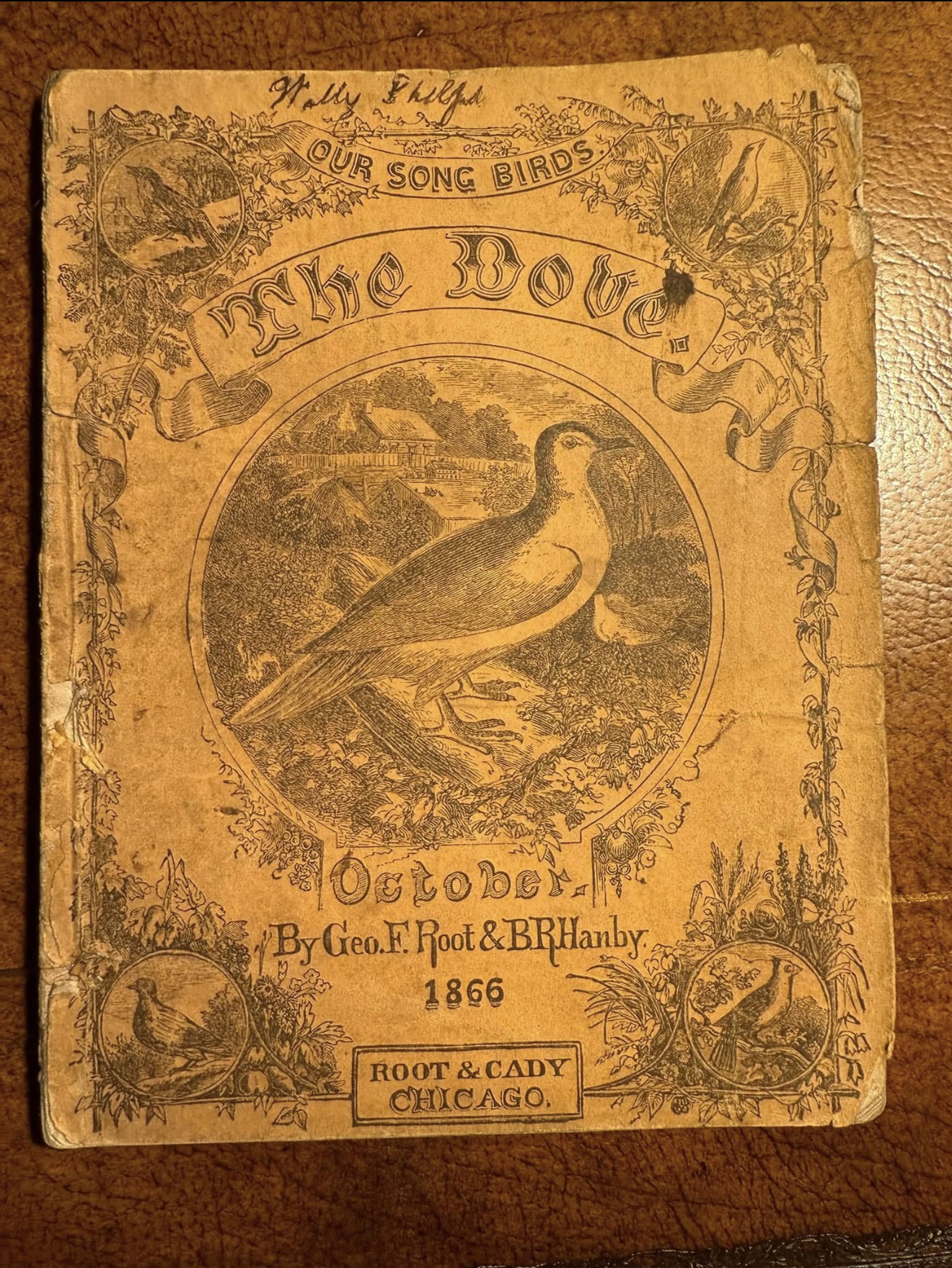
Where Up on the Housetop First Appeared
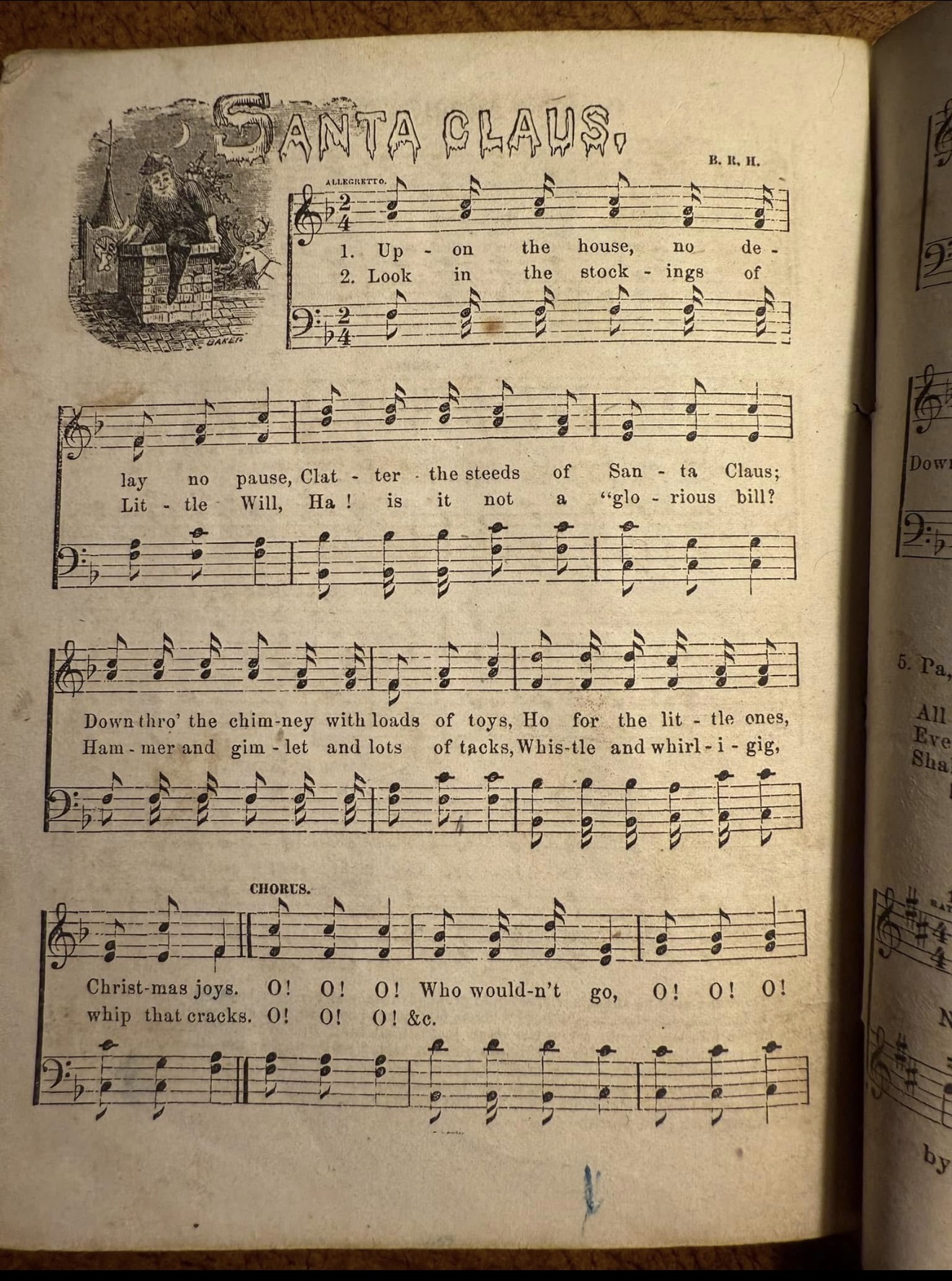
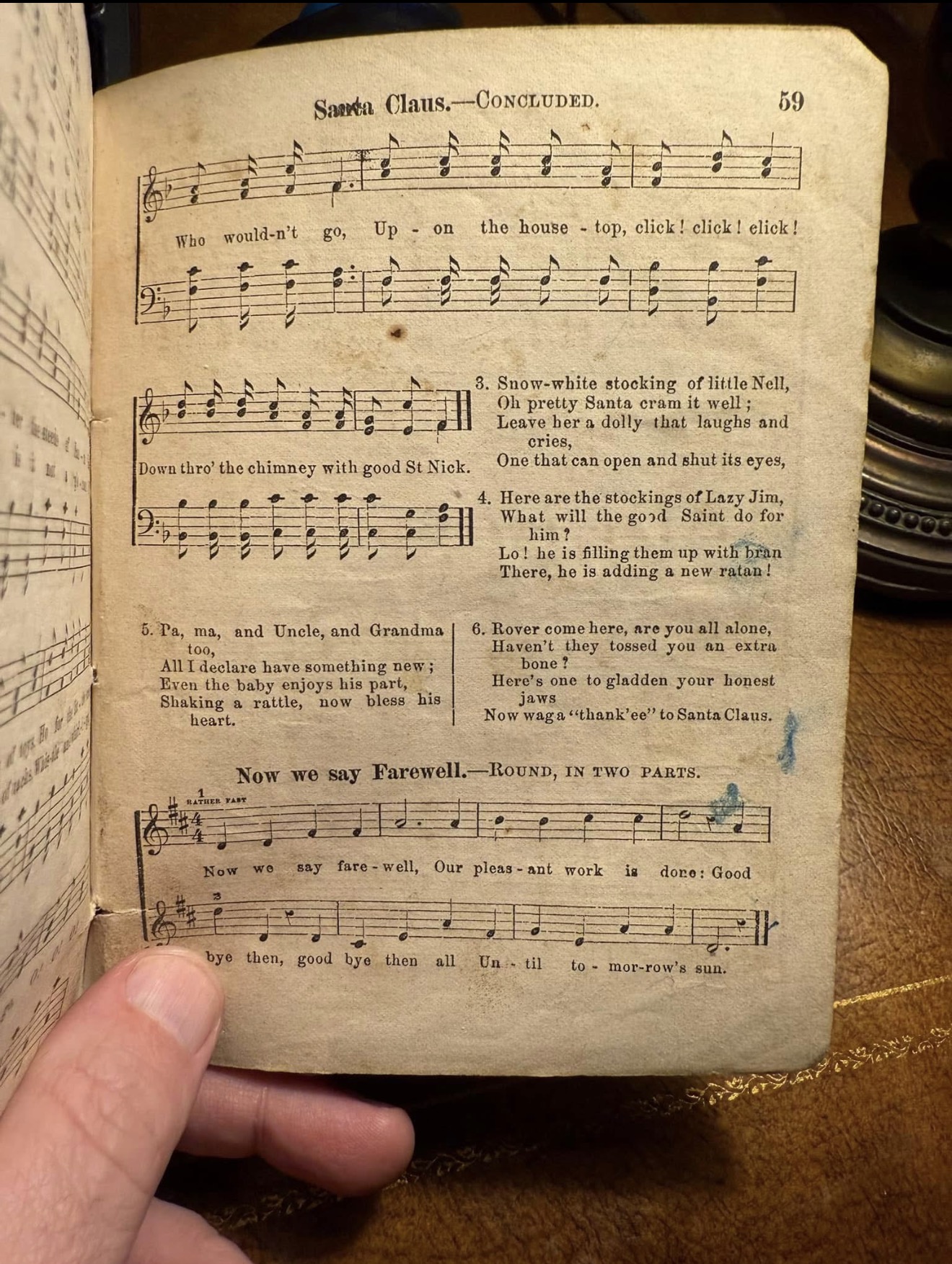
Benjamin Hanby's Christmas song “Santa Claus,” today known as “Up on the Housetop,” first appeared in print in October 1866 in The Dove, the fourth number of Our Song Birds. The illustrated children’s music quarterly was edited by Hanby and George F. Root and published by Root & Cady in Chicago.
The Turner House Collection owns an original 1866 copy of this first publication, with Hanby's song printed under the title “Santa Claus.” Issued only months before Hanby's death in 1867, the book connects Rushville’s native songwriter with one of the most familiar American Christmas songs.
Hanby in Print
The Collection also preserves later printings of Hanby’s songs and an original illustrated edition of Little Tillie’s Grave. Together they trace how his music passed from Civil War-era audiences into published song anthologies and twentieth-century arrangements.
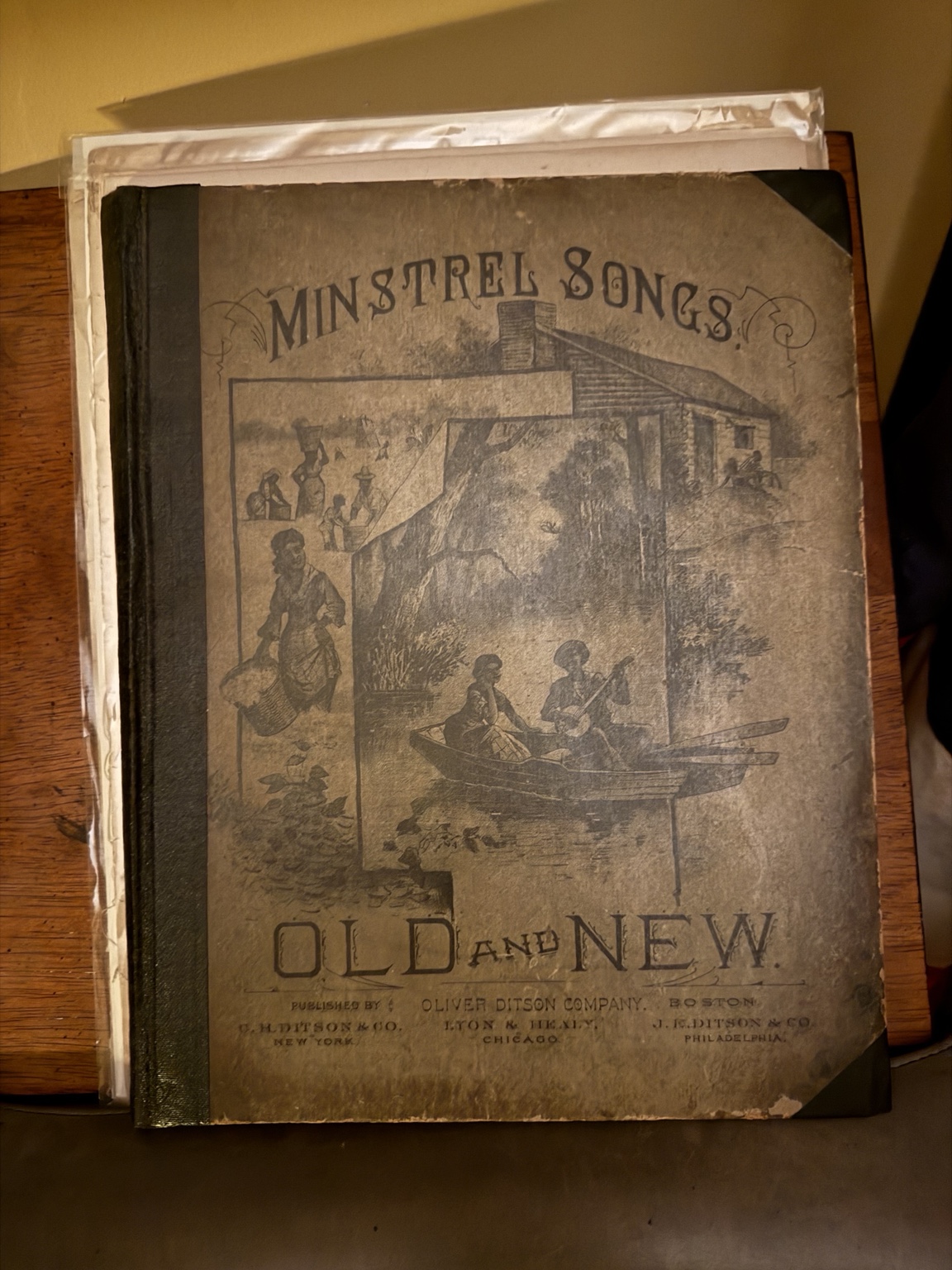
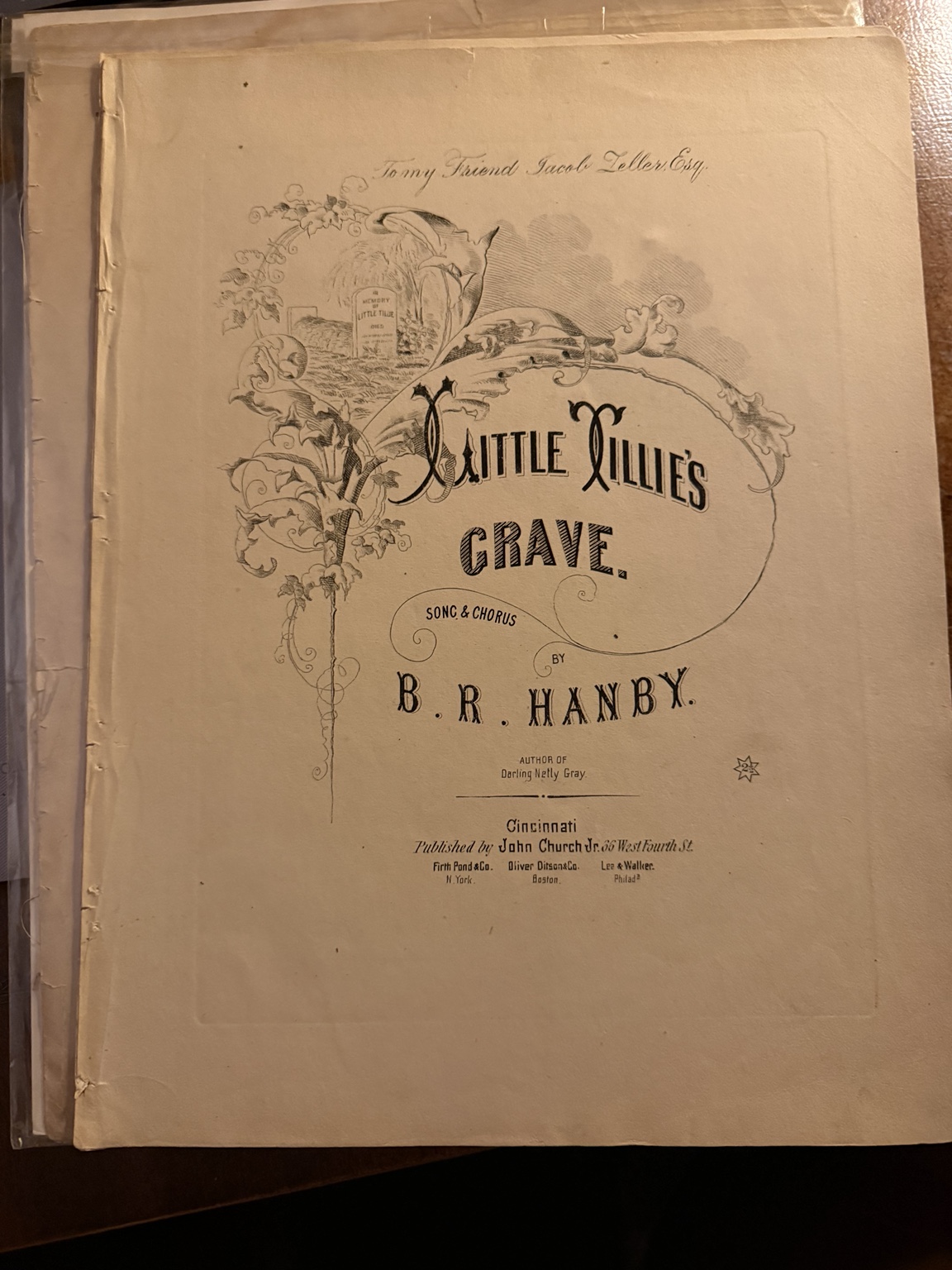
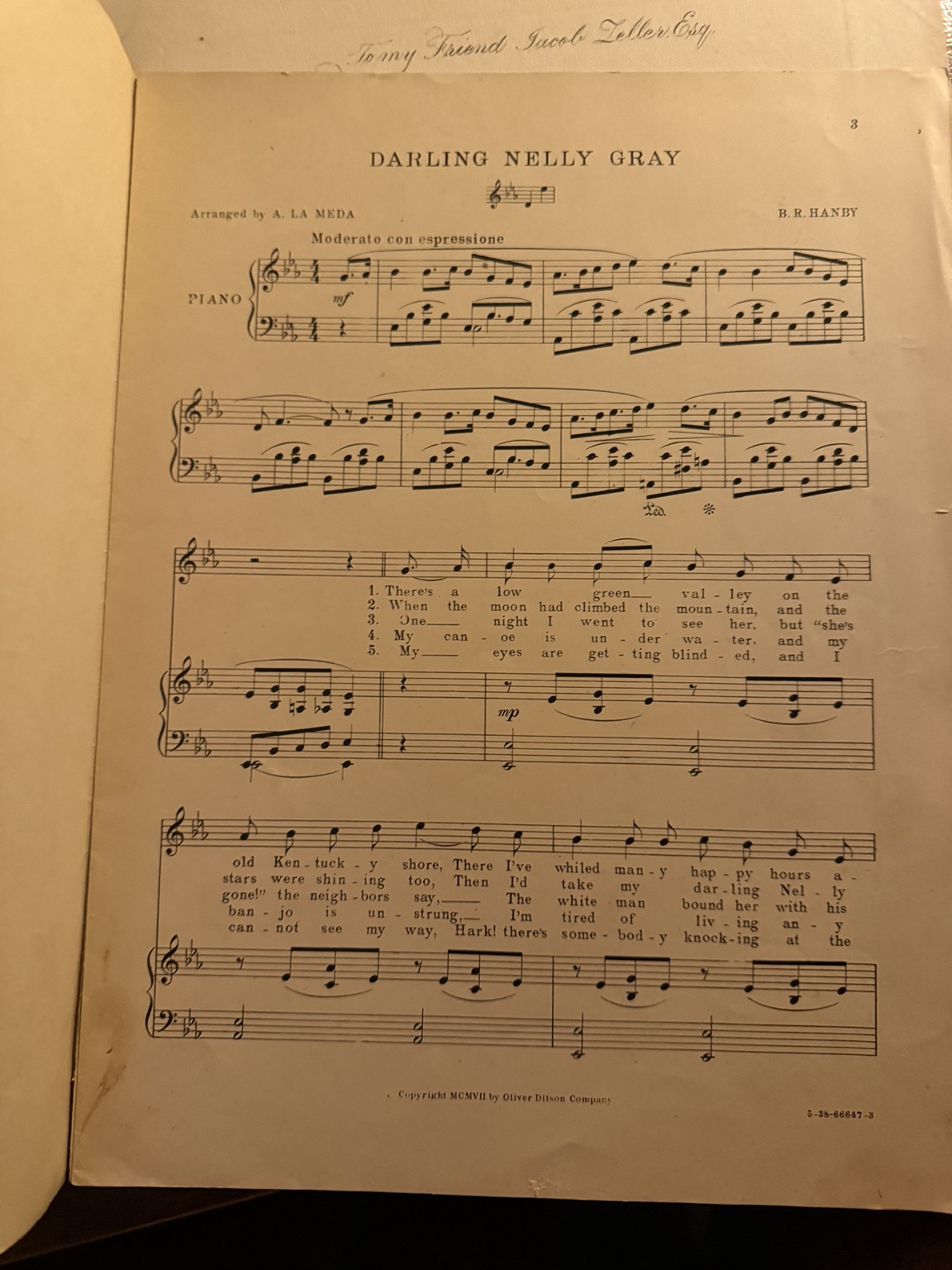
The anthology also illuminates a more difficult aspect of nineteenth-century American musical history: antislavery songs could circulate within the racially stereotyped world of commercial minstrelsy. Preserving these original publications allows that history to be studied, not simplified.
From local history to public memory
Rushville continues to mark these histories through memorials and local research. A historical plaque on Main Street commemorates Hanby’s connection to the village and the traditional account of the song’s origins. In 2025, a new Ohio historical marker in the village square highlighted the Underground Railroad, Joseph Selby, and Darling Nelly Gray.
These markers are not substitutes for original documents, but they are valuable evidence of how the community has chosen to remember the past. The Rushville Collection brings together local photographs, books, printed music, and related evidence to investigate those memories and preserve them for future study.