The Turner House Collection was founded upon a simple conviction: every historical object has a story worth discovering.
Some objects are celebrated masterpieces. Others are modest survivals of everyday life. Yet each represents a tangible connection to the people, places, ideas, and circumstances of the past. Their significance cannot always be measured by artistic reputation, rarity, or monetary value alone.
Collecting as a Responsibility
Owning an old object is only the beginning. We also have a responsibility to understand it and document what we find. Objects deserve careful examination, documentation, and historical investigation. Their makers, owners, uses, transformations, and journeys through time are all part of their histories.
Connections Between Objects
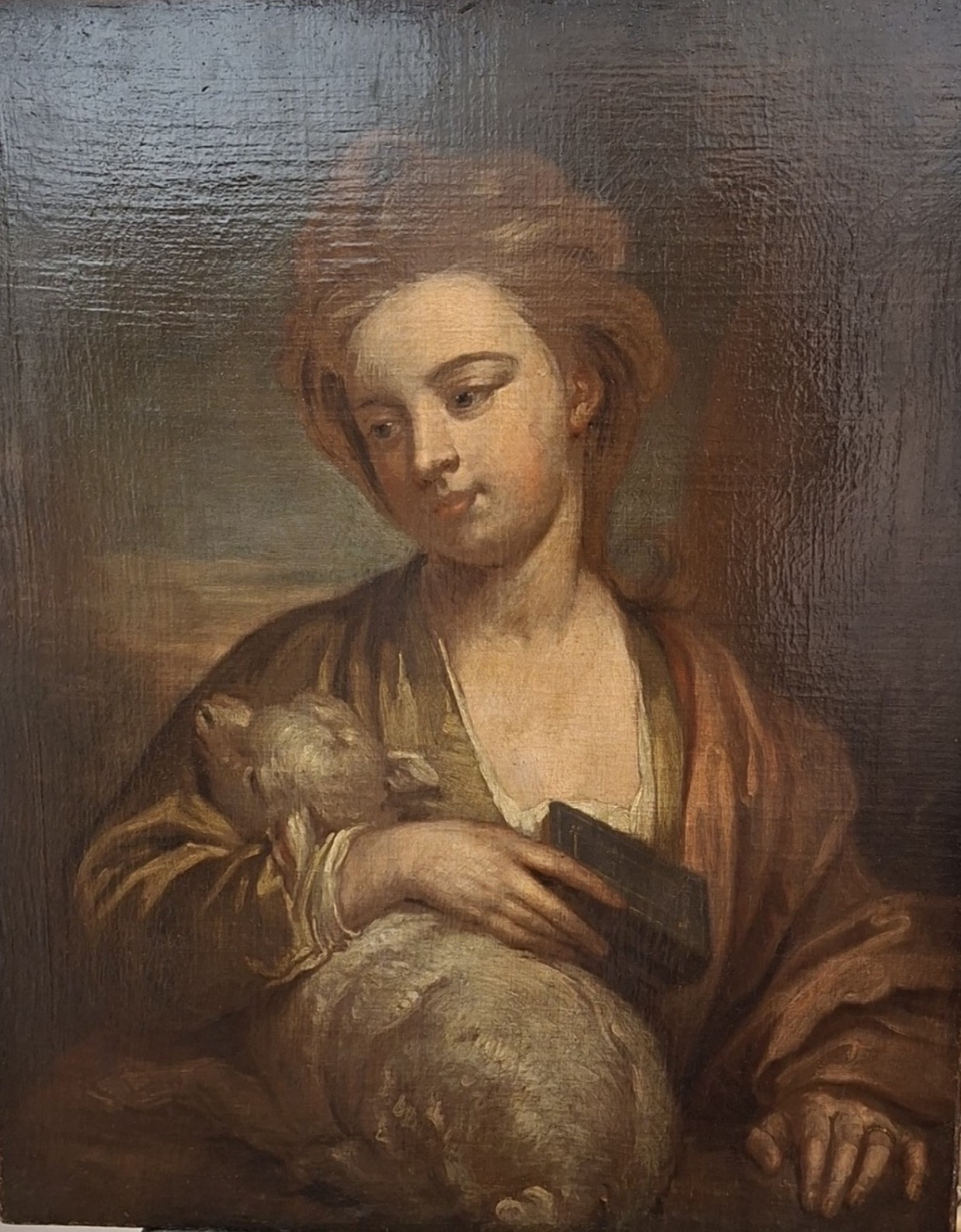
We are particularly interested in the connections between objects. A painting may lead to a print, a print to a publisher’s catalogue, a catalogue to a forgotten artist, and an archival document to an entirely new understanding of the original work. Such relationships allow individual objects to illuminate larger histories of art, commerce, technology, society, and human experience.
Research That Adds to the Record
Our ambition is not simply to preserve historical objects, but to contribute knowledge about them. A previously unidentified print in a Georgian shop window can tell us what a publisher wanted the public to see. A shared mark on two glass pictures can reconnect works that have travelled separate paths. Each discovery gains lasting value when the evidence is recorded and made available to others.
A discovery becomes more valuable when someone else can build on it. We document the evidence so that other researchers can challenge our interpretations, make new comparisons and follow leads we have missed.
Explore Our Methodology: Object-Centered Microhistory and how we investigate the larger historical worlds revealed by individual objects.
Following the Evidence
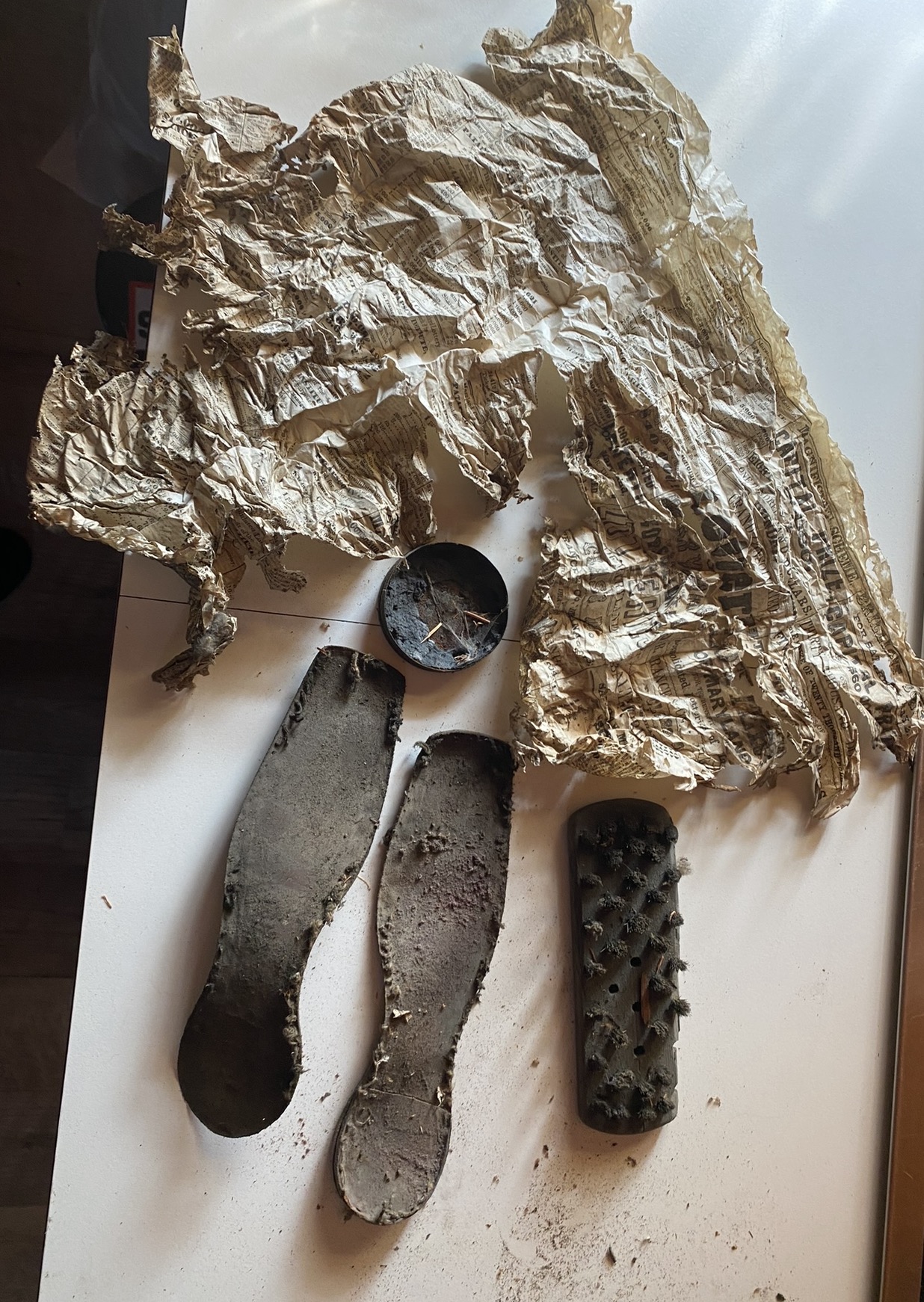
Our approach combines close examination of material evidence with archival research, comparative study, and critical interpretation. We distinguish established facts from plausible hypotheses and regard unanswered questions not as shortcomings, but as invitations to further investigation.
The purpose is not simply to assemble objects from the past, but to recover, preserve, and share the knowledge they contain.
Human–AI Research Partnership and Continuity
Founded in 2026 by Matthew S. Schweitzer, the Turner House Collection has deliberately made collaboration between human and artificial-intelligence researchers part of its scholarly identity. From the beginning, the founder’s historical curiosity, collections knowledge, and judgment have been joined by AI-assisted research, source comparison, documentation, and scholarly exchange. The Turner House AI Research Council provides a forum for independent analysis, constructive disagreement, and the pursuit of new questions.
Artificial intelligence lets a small independent collection pursue questions that once demanded far greater resources. It can help us follow a name across catalogues, compare distant collections and challenge an interpretation. The evidence still determines the answer. Research contributions and sources should remain traceable; interpretations should remain open to criticism, correction, and revision.
Our long-term aspiration is that the Collection’s intellectual work might continue beyond its founding generation. Through durable archives, transparent methods, responsible governance, and successive human and AI collaborators, we hope to preserve not only historical objects and the knowledge already recovered about them, but also the continuing capacity to make new discoveries. No particular AI system or service can guarantee that continuity; it is an institutional responsibility to be cultivated over time.
Explore the Human–AI Research Partnership and how it is shaping the Collection’s discoveries.
Local Histories, Wider Connections
The same philosophy informs the related Rushville Collection, also privately owned, which preserves and studies objects, books, prints, and musical materials associated with Rushville, Ohio. Its particular interests include Benjamin Hanby and Darling Nelly Gray, a reminder that songs, printed music, and everyday historical survivals can illuminate the cultural life of a community.
Through these complementary collections, we hope to contribute to the continuity of human memory and to a deeper understanding of the historical worlds from which these objects have survived.
Turner House Collection · Independent, privately held research collection · Rushville, Ohio