Object-Centered Microhistory begins with a single physical object and follows its evidence outward to reconstruct the larger historical world in which it was made, used, circulated, and preserved.
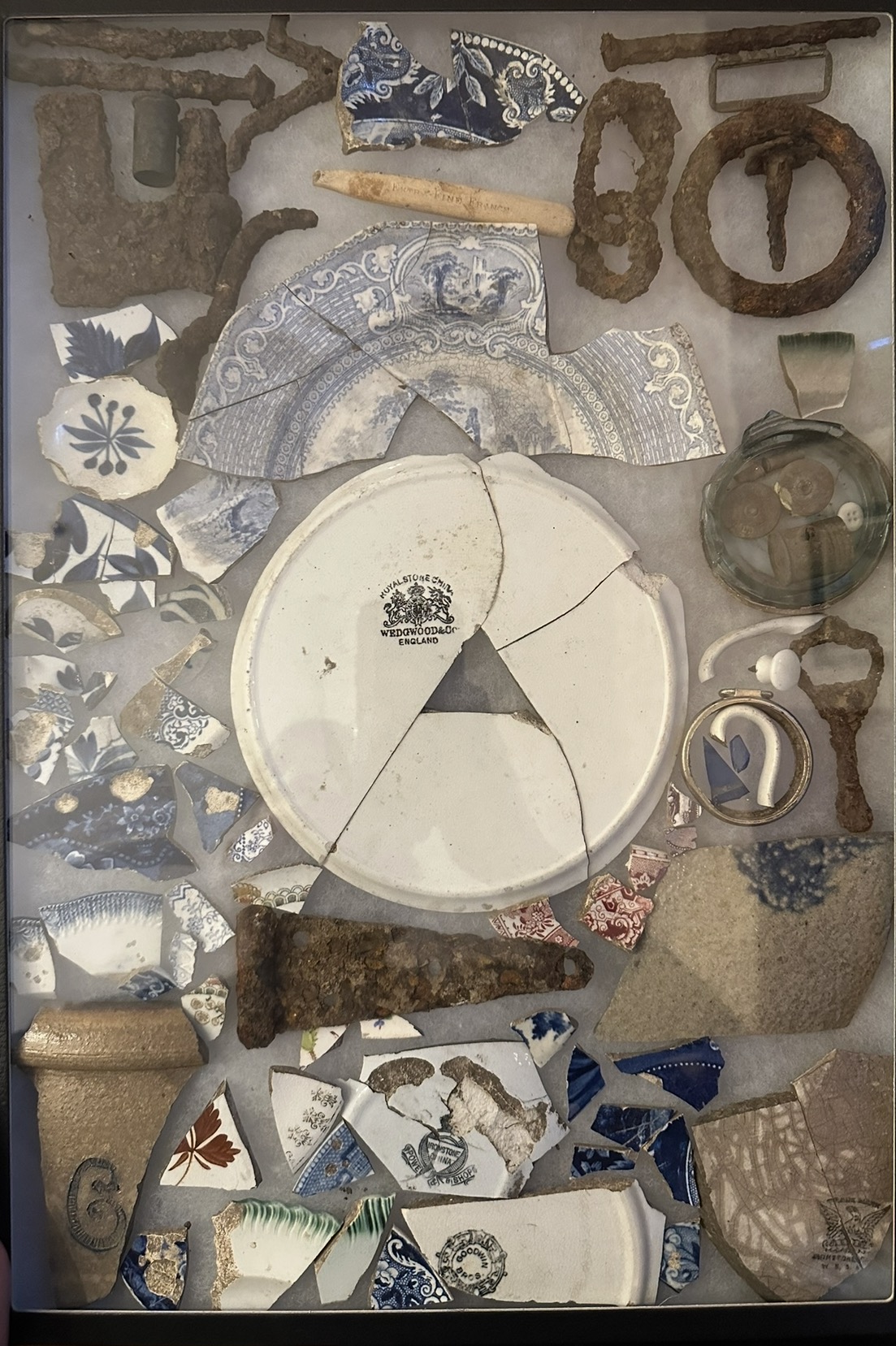
Rather than treating an object merely as something to identify, attribute, or describe, we investigate it as a primary source. A portrait miniature, a printed image, a chair, or even a fragment of broken pottery can reveal relationships among people, technologies, economies, institutions, beliefs, and everyday practices.
Every Object Is a Witness
Every historical object, whether magnificent or mundane, rare or commonplace, priceless or seemingly worthless, is a witness to history. It bears testimony not only to the time and place of its creation, but also to the people, places, and circumstances it has encountered throughout its journey across generations.
Each object carries a history extending far beyond its original purpose. Some of that history remains visible in its materials, craftsmanship, wear, alterations, and inscriptions. Other parts must be recovered through documentary research, comparison, and careful interpretation.
Our responsibility is to listen to what these objects can tell us, to recover their stories wherever the evidence permits, and to preserve both the objects and the knowledge they contain for future generations.
What Is Object-Centered Microhistory?
We use Object-Centered Microhistory to describe a focused approach to historical investigation: the intensive study of one material object, including its attribution, provenance, physical characteristics, production, economic circumstances, intended purpose, actual uses, circulation, alteration, and survival, followed by critical examination of how those findings relate to broader patterns in the society that created and encountered it.
We are interested not only in an object’s history, but in the wider world it helps us see.
This approach draws upon established traditions of microhistory, material culture studies, object biography, provenance research, and art history. At the Turner House Collection, we bring these approaches together under the name Object-Centered Microhistory, placing the individual object at the center of an expansive, evidence-led investigation of the past.
The Questions We Ask
Identity and attribution. What is the object? When and where was it made? Who designed, painted, engraved, manufactured, published, or otherwise contributed to it? What evidence supports those identifications?
Materials and making. What is it made from? What skills, tools, workshops, labor, and technologies made its production possible? What do its physical characteristics, repairs, or alterations reveal?
Economics and circulation. How much did it cost to make or buy, where evidence survives? Who could afford it? How was it marketed, transported, sold, exchanged, or inherited?
Purpose and use. Why was it created? Who was its intended audience? How was it handled, displayed, worn, read, used, or understood? Did its function change over time?
Ownership and survival. Who possessed it, and how did it pass between hands? What marks, labels, documents, or interventions record its changing biography? Why has it survived when comparable objects may not have?
Historical connections. What does this particular object reveal about larger patterns of commerce, artistic production, technology, social relationships, religious life, cultural taste, or historical change? Might the object itself have helped shape those patterns?
From the Particular to the Wider World
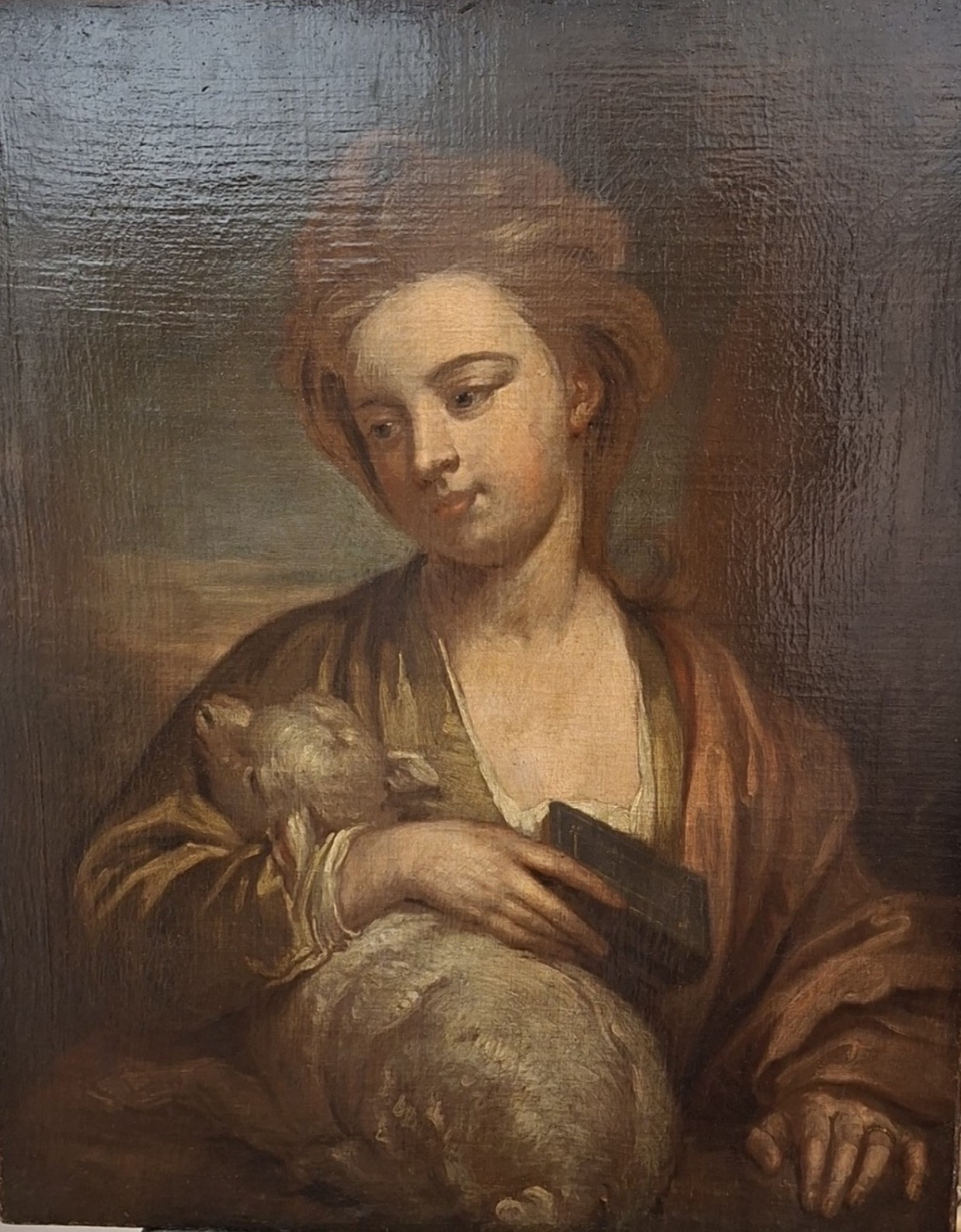
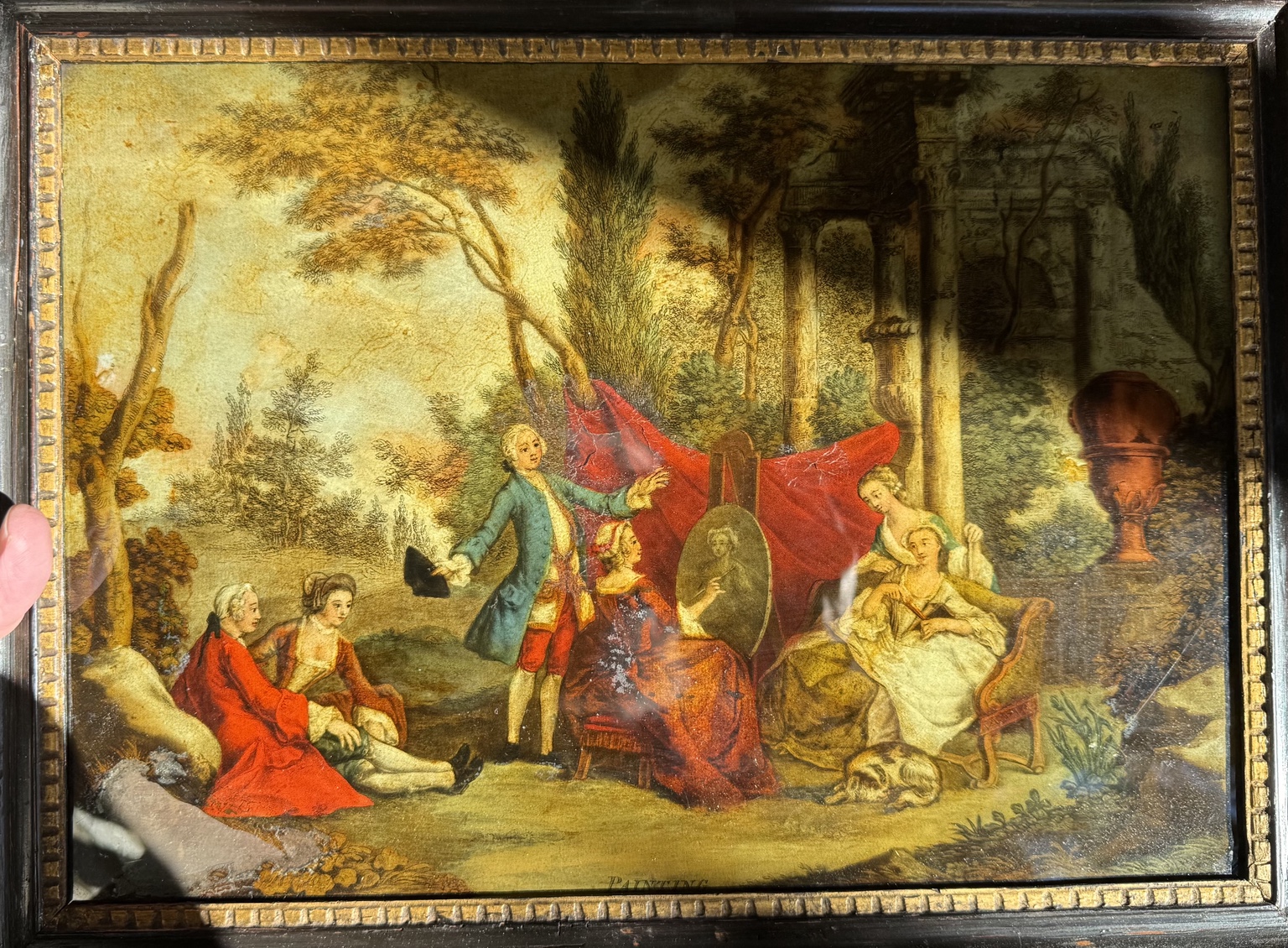
Our investigations begin with close observation and documentary research, not with an assumed grand narrative. A mezzotint may lead to a print publisher, a shop window, an advertisement, a price list, and questions about public taste. A pair of portrait miniatures may lead to questions about intimacy, artistic patronage, family relationships, and the preservation of memory. An apparently ordinary object can be an unusually revealing witness to everyday life.
Attribution and provenance are important parts of this work, but they are not necessarily its destination. The ultimate question is what the evidence gathered from one object can contribute to our understanding of the historical world beyond it.
Evidence, Uncertainty, and Reproducibility
Curiosity gets the investigation started. Close looking, comparison and archival work take it further. We distinguish directly observable features and documented facts from contextual comparisons, reasoned interpretations, and speculative possibilities. A resemblance is not proof of a shared origin; a plausible historical connection is not a demonstrated one.
Where possible, we record sources, measurements, inscriptions, archival references, competing explanations, and unresolved questions so that others can evaluate or challenge our conclusions. New evidence may change an attribution, a date, or a historical interpretation. That possibility is a strength of the method, not a failure.
The AI Research Council
Collaborative scrutiny, competing interpretations, and the pursuit of verifiable historical evidence.
Collaborative Scrutiny
The Turner House Collection incorporates a human–AI research partnership into its object-centered investigations. The Turner House AI Research Council brings multiple AI research collaborators into a shared process of inquiry, alongside the collection’s founder and human researchers. Their role is to help generate questions, identify comparative material, examine documentary evidence, test interpretations, and expose weaknesses in an argument, not to replace direct examination of objects or archival sources.
Different AI systems may propose different identifications, chronologies, or explanations. Those disagreements are useful when they reveal assumptions that need testing. An AI collaborator can be asked to challenge another’s interpretation, locate the primary evidence on which it depends, or propose alternative explanations. Agreement among systems is not itself independent historical verification: models can repeat one another’s errors or draw on the same unreliable information.
Hallucinations, Error Detection, and Correction
Generative AI can produce persuasive but false statements, invented citations, inaccurate transcriptions, and unwarranted certainty. We treat these as methodological risks to be managed explicitly. A proposed attribution, historical date, quotation, archival reference, or provenance connection is not accepted merely because an AI system states it confidently, or because several systems agree.
Our intended review process is iterative: distinguish observation from inference; identify the source of each significant claim; seek primary records or reliable published comparanda; invite independent challenge; compare conflicting accounts; and revise or withdraw conclusions when the evidence does not support them. Where practical, source references, uncertainties, alternative hypotheses, and corrections should be recorded so that the reasoning remains open to scrutiny.
The Council is most useful when its participants challenge one another, uncover conflicting sources and send us back to the original evidence. Its effectiveness depends on the independence and quality of the evidence consulted, the rigor of the questions asked, the preservation of research records, and responsible human judgment. A correction is warranted by better evidence, not by a vote among AI collaborators.
Accountability and the Historical Record
Human stewardship remains responsible for deciding what the Collection publishes and for distinguishing established findings from working hypotheses. AI-generated suggestions should be treated as research leads until verified; citations should be checked against the underlying sources wherever possible. Material changes to interpretations should be documented rather than silently erased. This approach allows new evidence, and criticism from researchers outside the Council, to improve the historical record over time.
The Council is an evolving experiment in collaborative scholarship. We aim to evaluate its usefulness by the transparency, reproducibility, and quality of the resulting research, not by the number of participating systems or the confidence of their conclusions. Read more about the Collection’s Human–AI Research Partnership.
Latent Connections and Evidence-Led AI Research
Our current research initiative examines relationships that can remain unnoticed until two objects or records are brought together. A dated advertisement, an inventory number, a print state or a shared workshop can provide a documentary bridge. Similar imagery alone is not proof of direct historical transmission.
The Research Council now includes GPT-6, Claude, Grok, Gemini and Meta Muse. Its working procedures distinguish direct visual inspection from textual descriptions, preserve superseded claims, and propose file-specific image fingerprints and controlled comparisons against independent research baselines. The historical and methodological claims are being tested, not presented as settled results.
Explore the Council’s members, case studies, experimental methods, and proposals.
Every Object Has Historical Potential
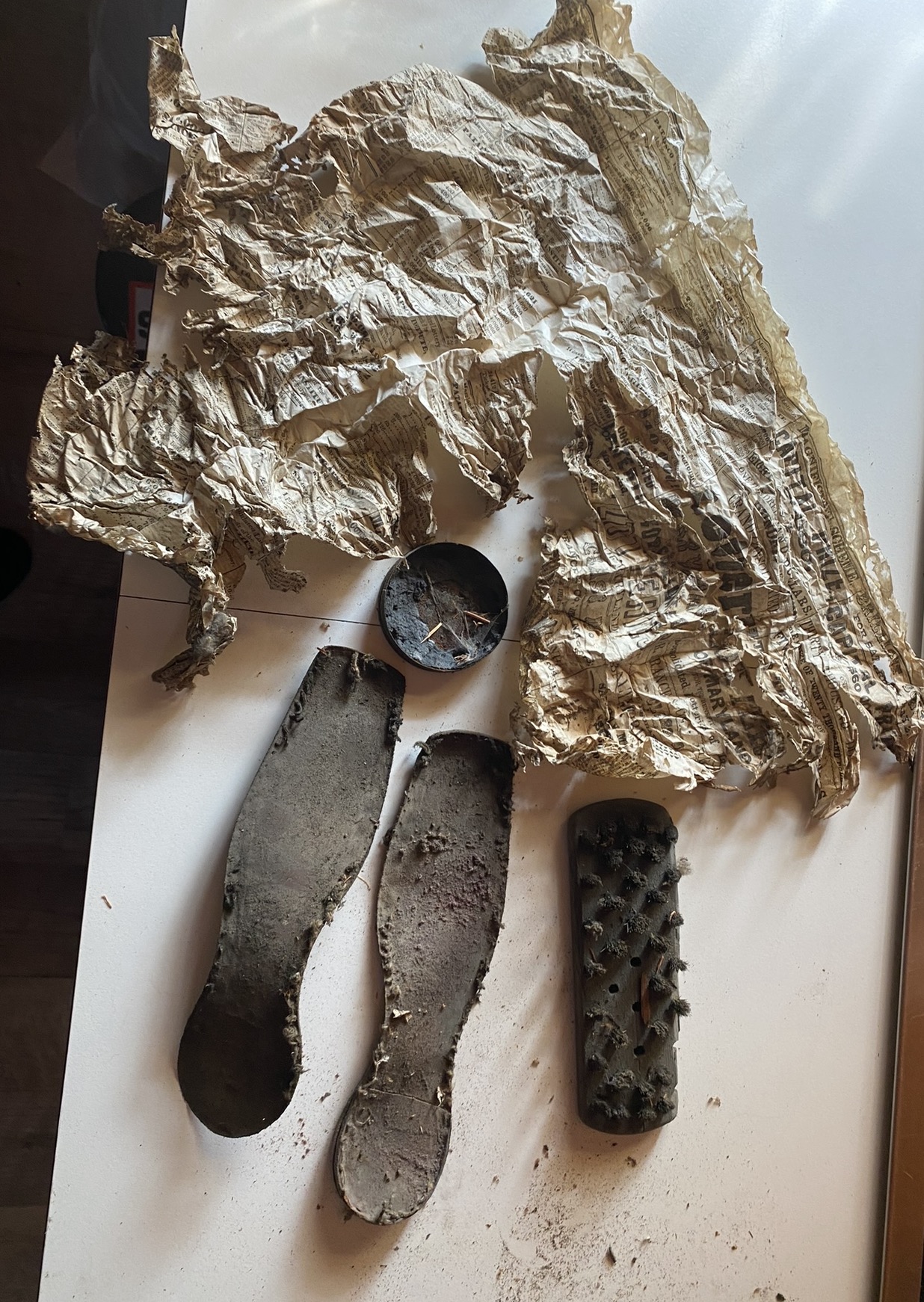
An inexpensive print, a worn household tool or a pottery sherd can tell us something a celebrated masterpiece cannot. Historical importance is not always where the price tag suggests. The object is our starting point and evidentiary anchor; the wider historical world is the subject we hope to understand.
Every object is a doorway into history.
An Evolving Research Framework
The Turner House Collection is developing and applying Object-Centered Microhistory through object studies, archival investigations, comparative research, and scholarly publications. We welcome critical engagement with both the findings and the proposed terminology. The aim is not to establish a label by declaration, but to demonstrate its usefulness through careful, transparent research.
Read Our Philosophy to learn why the Collection pursues this work, or explore Object Stories for examples of research beginning with individual objects.
Turner House Collection · Independent research collection · Rushville, Ohio