Paintings & Prints
British portraiture, mezzotints, reproductive prints, and the circulation of images in the seventeenth and eighteenth centuries.
Every object has a history. We begin by looking closely.
What can a forgotten detail reveal? A ring that vanishes from later versions of a portrait leads into Sir Godfrey Kneller’s world. Matching labels reunite two eighteenth-century glass pictures acquired separately. And during restoration of the Turner House staircase, a hidden collection of everyday objects came to light: a newspaper from May 1854, fragments of fabric, shoe soles and a brush. Why were they tucked away together, and what can they tell us about life in the house? The questions keep multiplying, and so does the evidence.
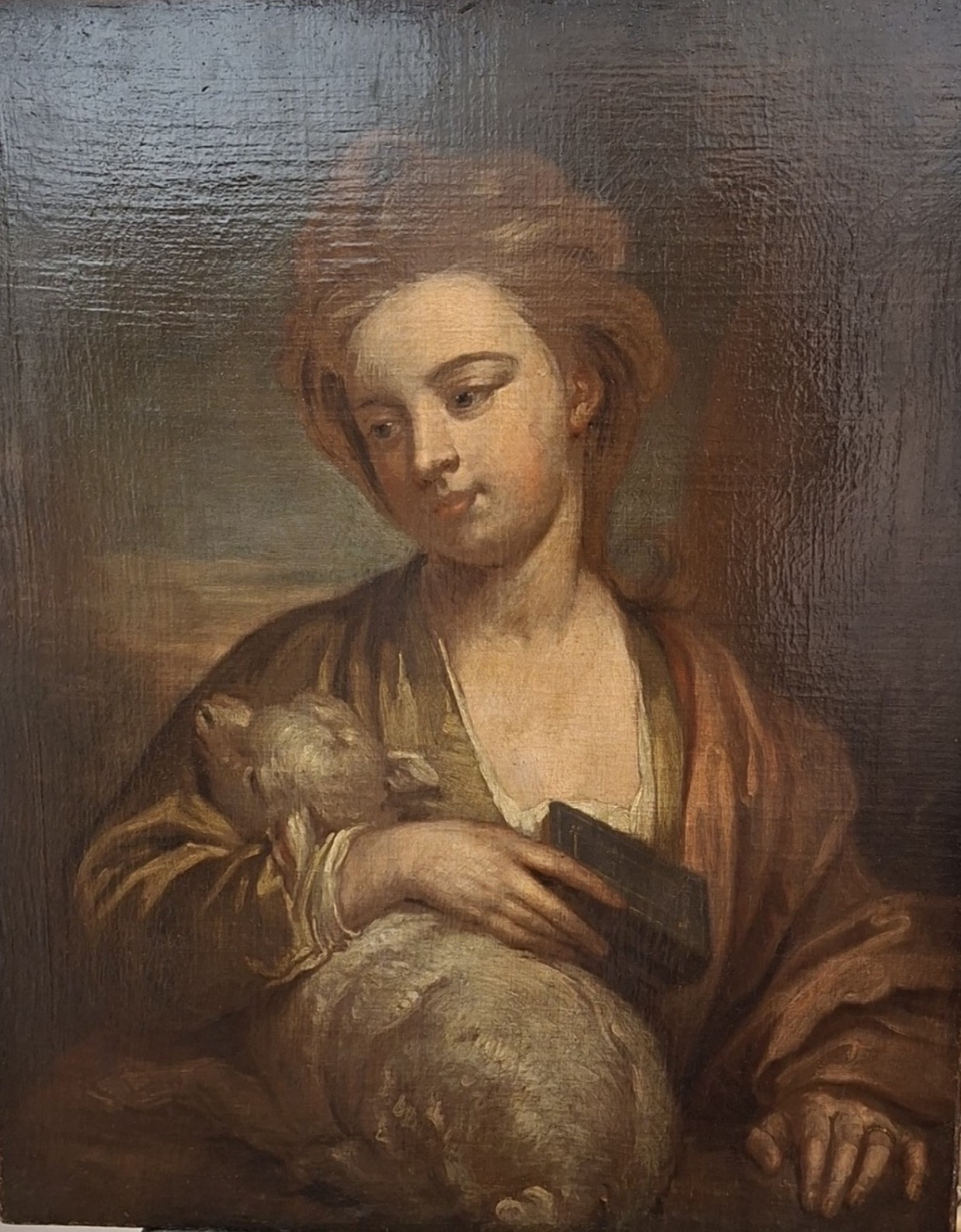
Why does a ring appear in one version of this portrait but disappear from others? Following that detail leads into Kneller’s studio and the history of a much-reproduced image.
Explore the object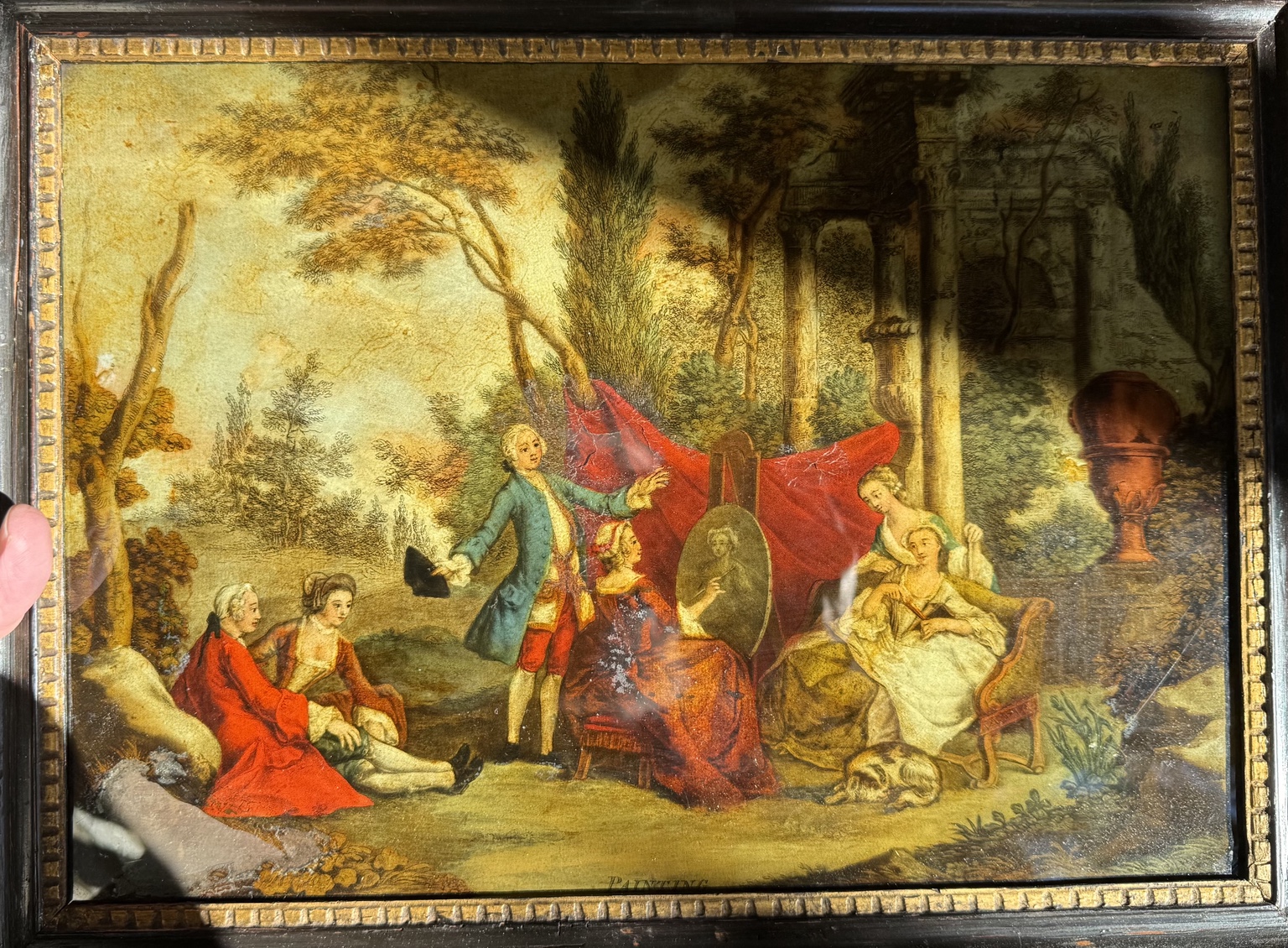
Bought from different dealers, these two glass pictures carry the same old inventory mark: XV.12Y. Who kept them together, and when?
Explore the discovery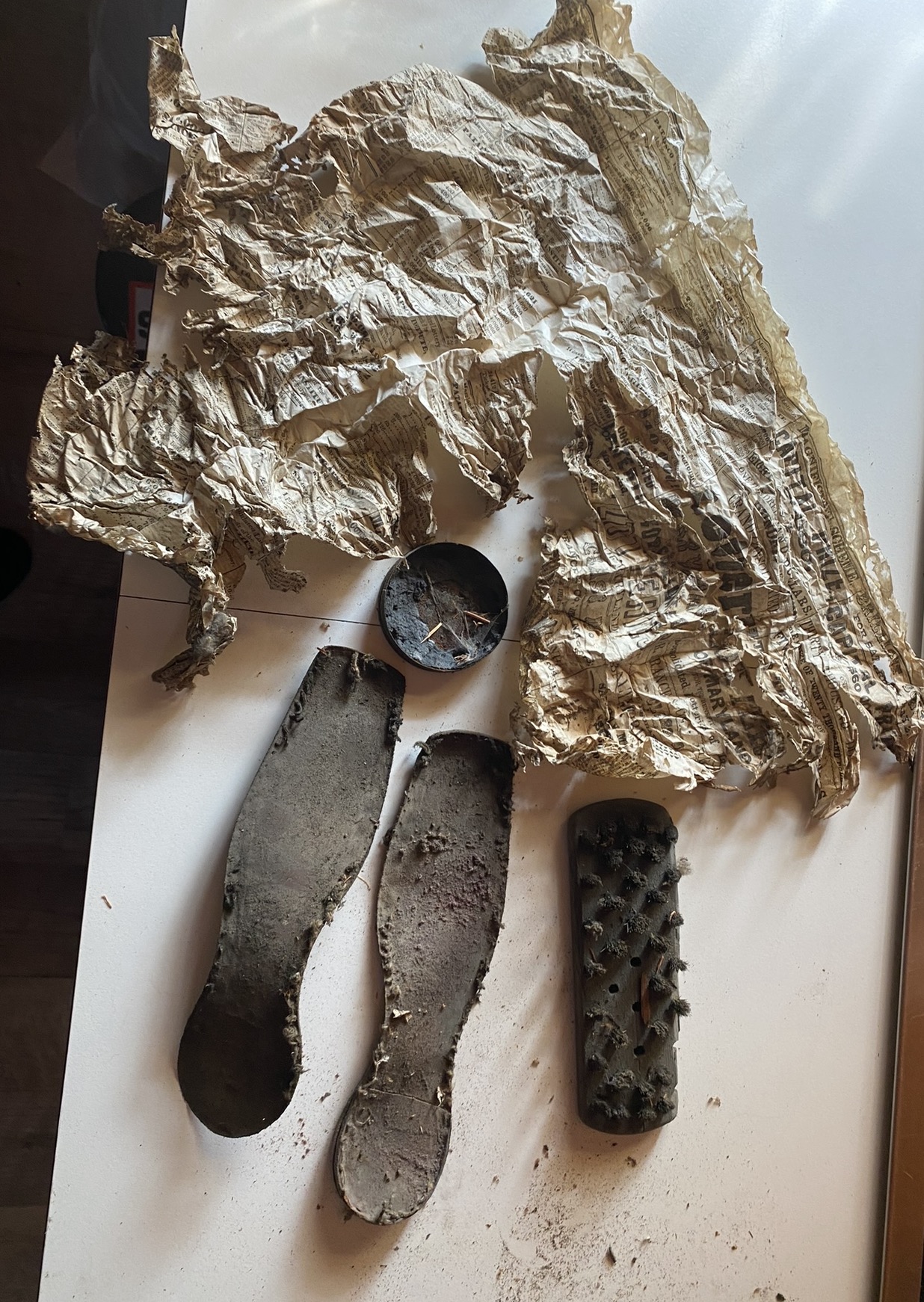
An 1854 newspaper, fabric, shoe soles and a brush were found inside a staircase. We know what survived; why it was placed there remains a mystery.
Explore the discoveryBased in historic Rushville, Ohio, the Turner House Collection is a privately held collection devoted to the preservation, documentation, and scholarly study of historical art, antiquities, books, and material culture.
Our research follows objects across time: from the hands that made them to the people who collected, reproduced, exchanged, and preserved them. Close study of individual works can illuminate wider histories of artistic practice, commerce, memory, and everyday life.
Our work begins with primary sources and close comparison. We document our discoveries so other researchers can examine the evidence and build upon it.
We use AI to widen the search, challenge our first impressions and find sources we might otherwise miss. But an attractive answer is not necessarily a true one. The objects and documents still have the final say.
Our research is conducted through a continuing exchange between direct study of historical objects and the analytical reach of AI. The Turner House AI Research Council gives multiple assistants a place in that work, with discoveries tested against original evidence.
We are also preserving the research itself: the questions, disagreements, wrong turns and breakthroughs. Future historians may find that record as revealing as the objects we study.
Discover the Human–AI PartnershipFive AI systems now participate in our evidence-led research: GPT-6, Claude, Grok, Gemini and Meta Muse. New work examines visual source verification, the historical connections between objects, and whether cross-model scrutiny actually improves research.
Meet the Council and explore its research experiments →A developing research collection spanning prints and paintings, rare books and manuscripts, historic furnishings, and objects of local and transatlantic history.
British portraiture, mezzotints, reproductive prints, and the circulation of images in the seventeenth and eighteenth centuries.
Early printed books, historical documents, manuscripts, and a growing research library supporting object-based scholarship.
Historical furnishings and material objects studied through construction, use, provenance, and their changing meanings.
Explore our illustrated object introductions above. Full catalogue entries and new research will follow as they are prepared.
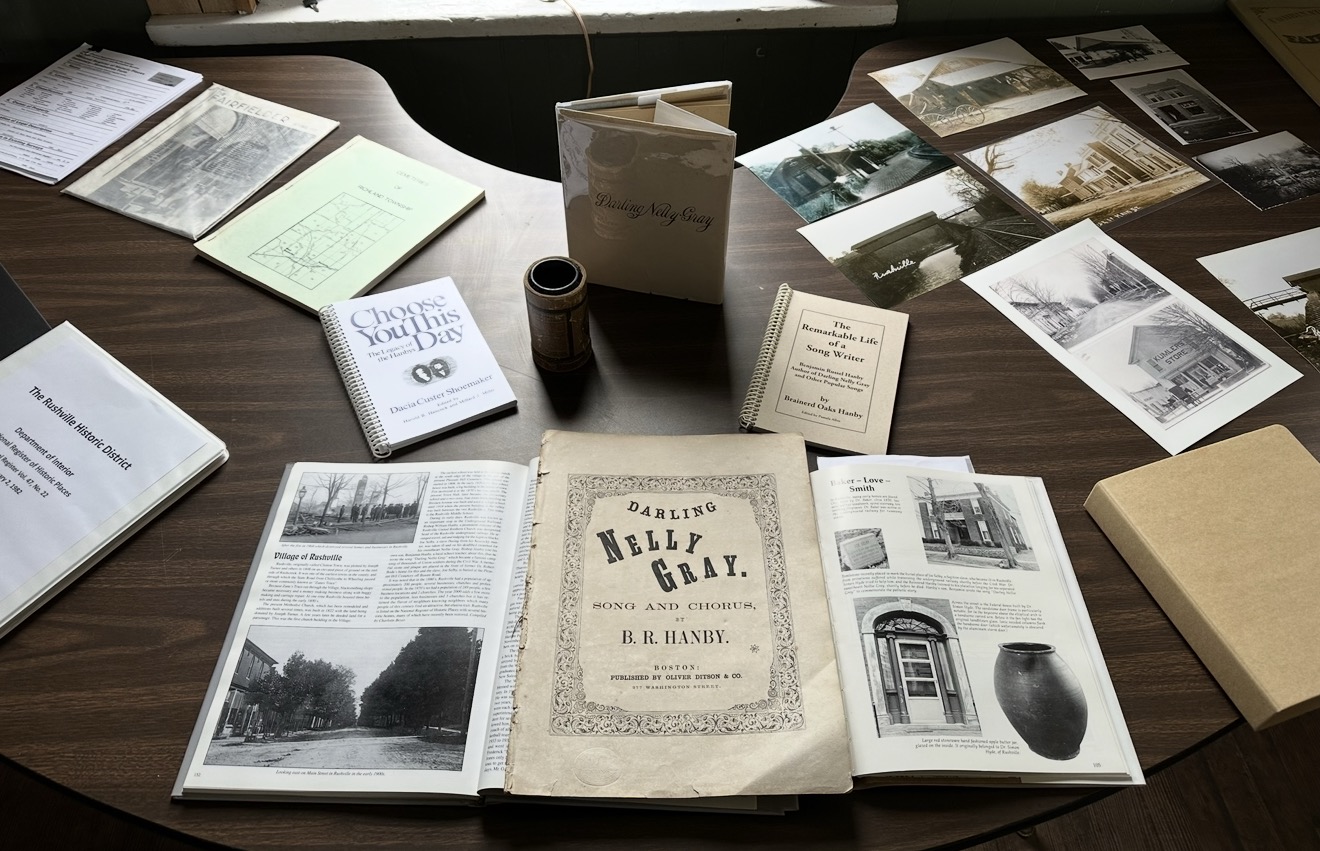
A related collection devoted to the history and cultural heritage of Rushville, Ohio.
The Rushville Collection brings together historical objects, local photographs, books, printed music, and documents illuminating the village and its wider connections.
Born in Rushville in 1833, songwriter Benjamin Russell Hanby grew up in an abolitionist family associated with the Underground Railroad. His 1856 antislavery song Darling Nelly Gray reflected the anguish of separation under slavery and became widely known in the years preceding the Civil War.
The Collection preserves and studies these histories through objects and documentary evidence, in keeping with the Turner House Collection’s wider commitment to historical research.
Featured object: An original 1866 printing of Hanby’s “Santa Claus” in The Dove. Explore the songbook.
Our research asks what an individual object can add to the historical record. A small variation, an overlooked image, or a surviving inscription can change how a work is understood.
A ring appears, disappears, and raises a question. By following details across paintings, drawings and mezzotints, we are piecing together the remarkable afterlife of a portrait associated with Kneller.
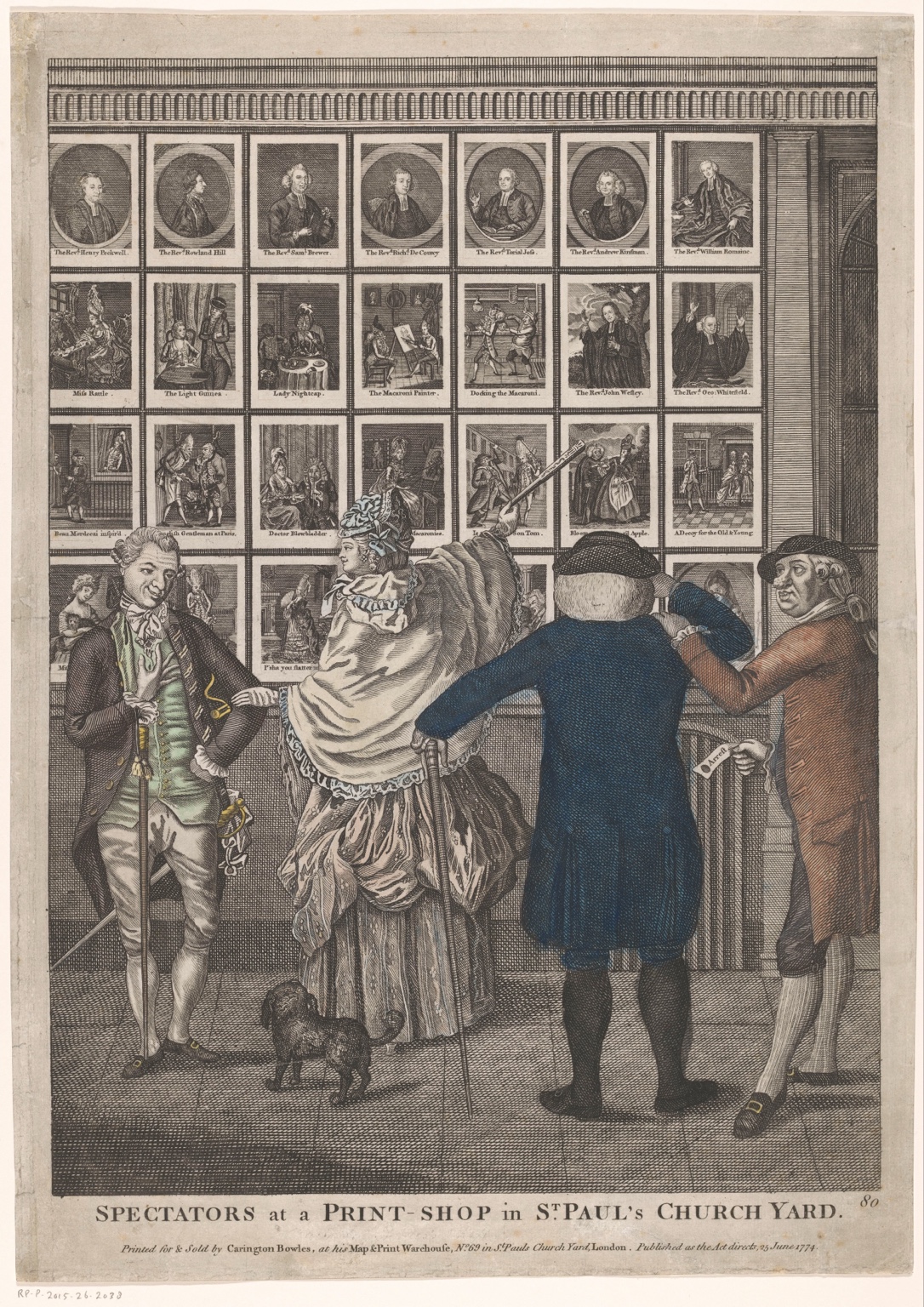
Those tiny pictures in a Georgian print-shop window are not just decoration. We have been matching them to surviving prints and dated advertisements, recovering a glimpse of what Londoners actually saw for sale.
Two glass pictures acquired from different dealers carry the identical historic inventory code “XV.12Y.” Together with comparisons of paper and glass versions, this discovery offers new evidence about the series’ history and circulation.
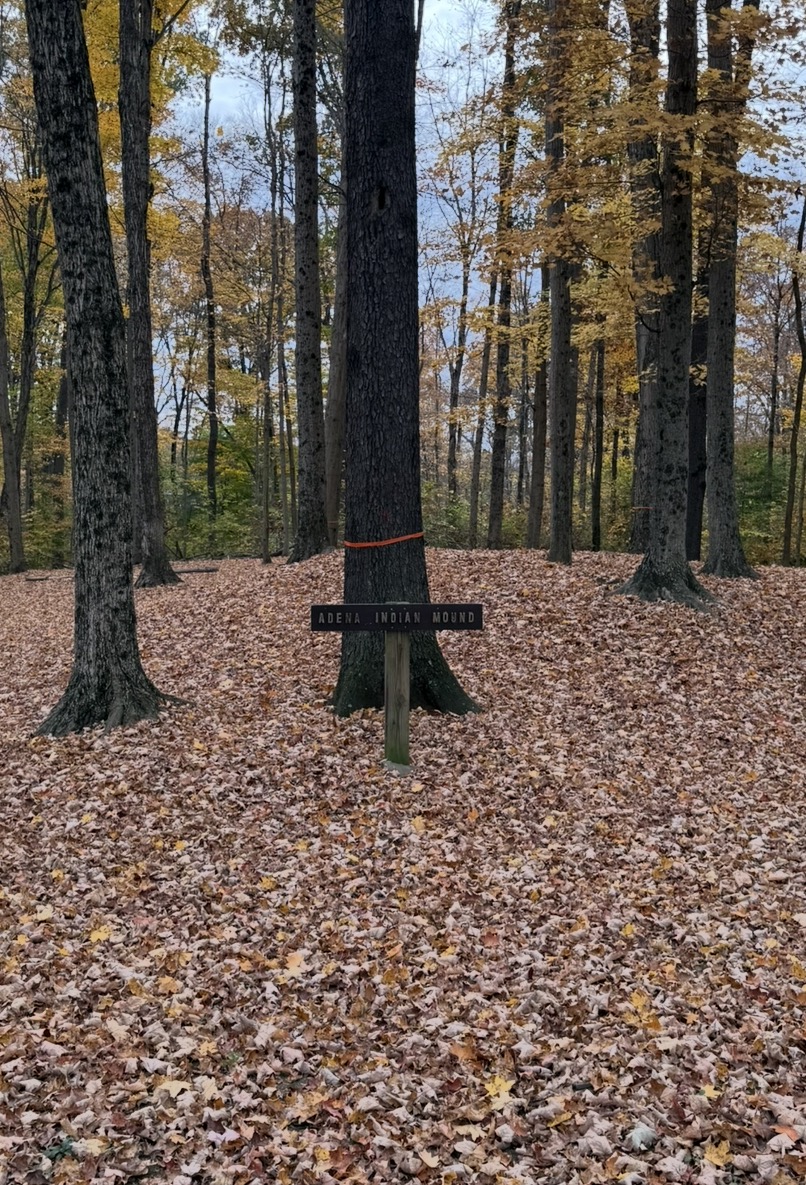
By checking early accounts against historical maps and the surviving landscape, this book examines how the story of Zane’s Trace and early Rushville was recorded, and reshaped in later memory.
The collection takes its name from its historic home in Rushville, Ohio.
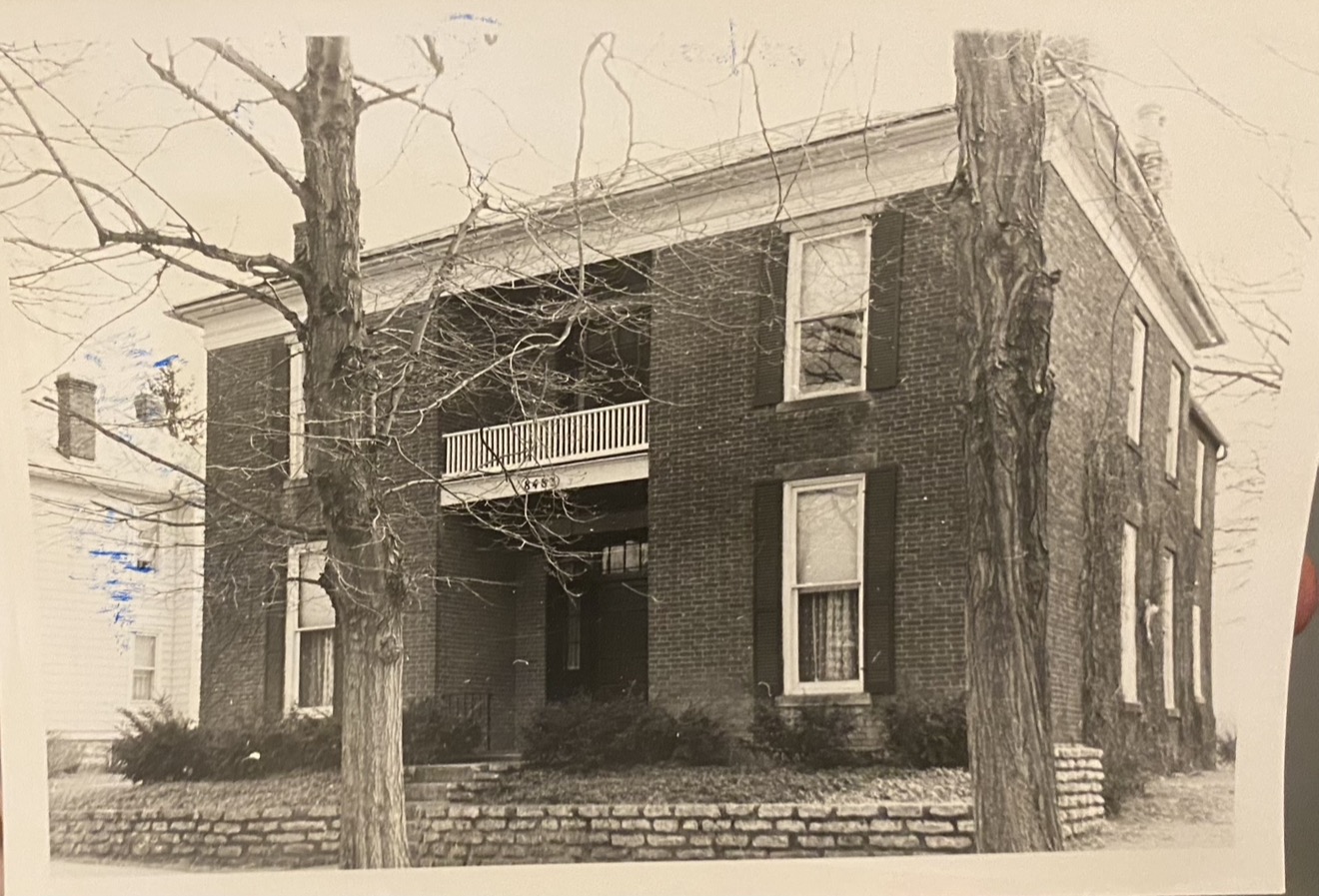
Built circa 1842, the Turner House was the residence and medical office of Dr. Peter F. Turner. Today, the house is both a subject of historical inquiry and the setting for the Collection’s preservation and research.
For generations, the Turner House has been a place of work, family life, and change. Dr. Peter F. Turner received patients here, and later households made the brick residence their own. Its walnut woodwork and adjoining parlors remain, but some of its most personal stories have emerged from places no one expected to look.
During work on the staircase in 2022, a small collection of objects came to light: an 1854 newspaper, pieces of fabric, shoe soles, a brush, and a tin. Beneath the garden soil lay another record of daily life, fragments of decorated dishes, flow-blue pottery, English ironstone, bottle glass, buttons, and iron fittings. Ordinary things, easily discarded and forgotten, have survived to tell us something about the people who lived here.
These discoveries now belong to the Turner House Collection. The grounds are documented in the Ohio Archaeological Inventory as site 33-FA3228, and the building itself is studied as a historical object, with a provenance written in deeds, family memories, architectural details, and the material traces of its occupants.
The Turner House remains a private residence and is not currently open for public tours.
The Turner House Collection welcomes scholarly interest in its research and historical objects.
For research inquiries, scholarly correspondence, and collaboration, please email turnerhousecollection@gmail.com. Email is the fastest and preferred way to reach us. Postal correspondence may be sent to Turner House Collection, PO Box 32, Rushville, OH 43150, USA. Please note that the collection is privately held and not open to unscheduled visits.